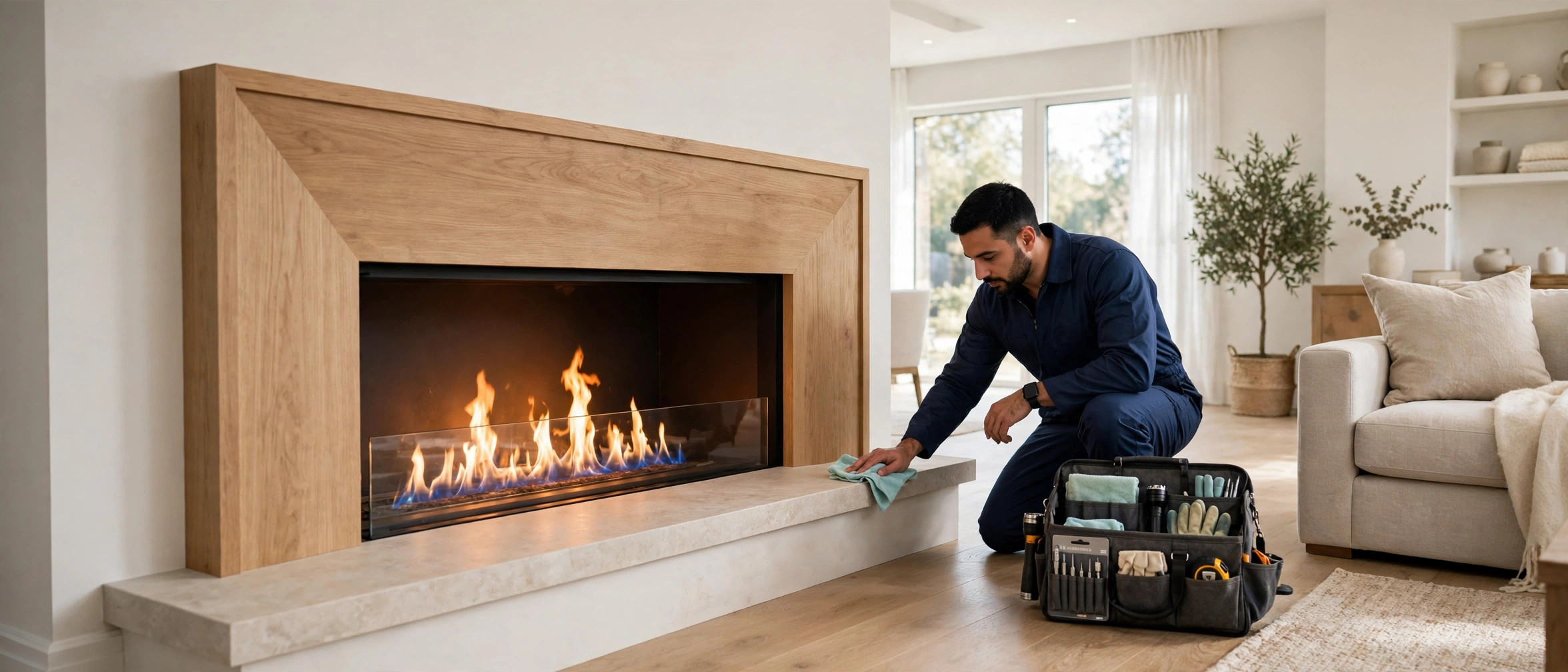
When a Hopkins fireplace quits in January, it is rarely random — a thermocouple worn thin, a pilot clogged after idle summer months, or water that froze in the crown and split the mortar. We show you what failed and fix it with the right part.
The six services Hopkins homeowners call us for most — from a wood fireplace laying creosote through a long heating season, to a gas insert that will not light on the coldest night.
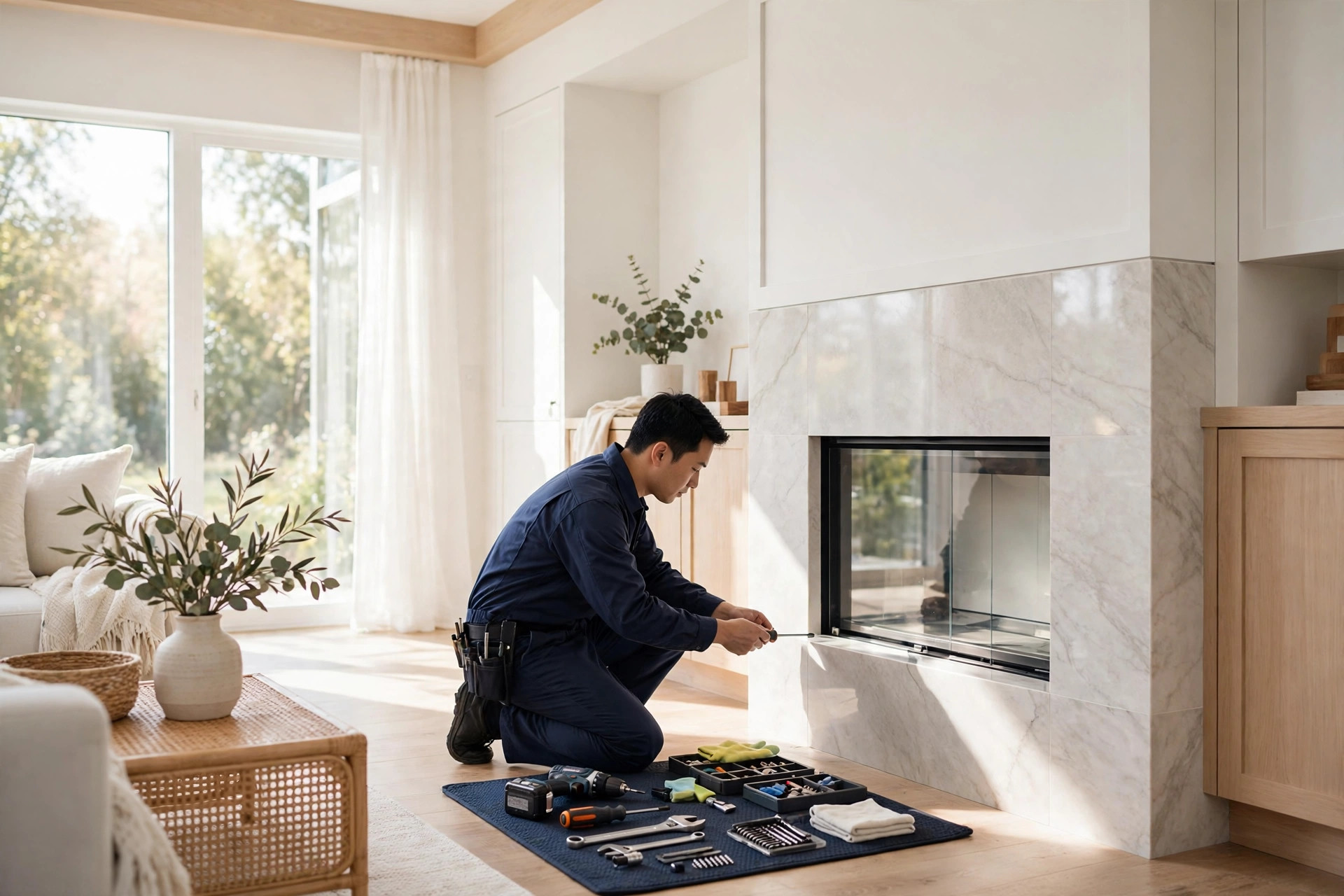
RepairFireplace Repair
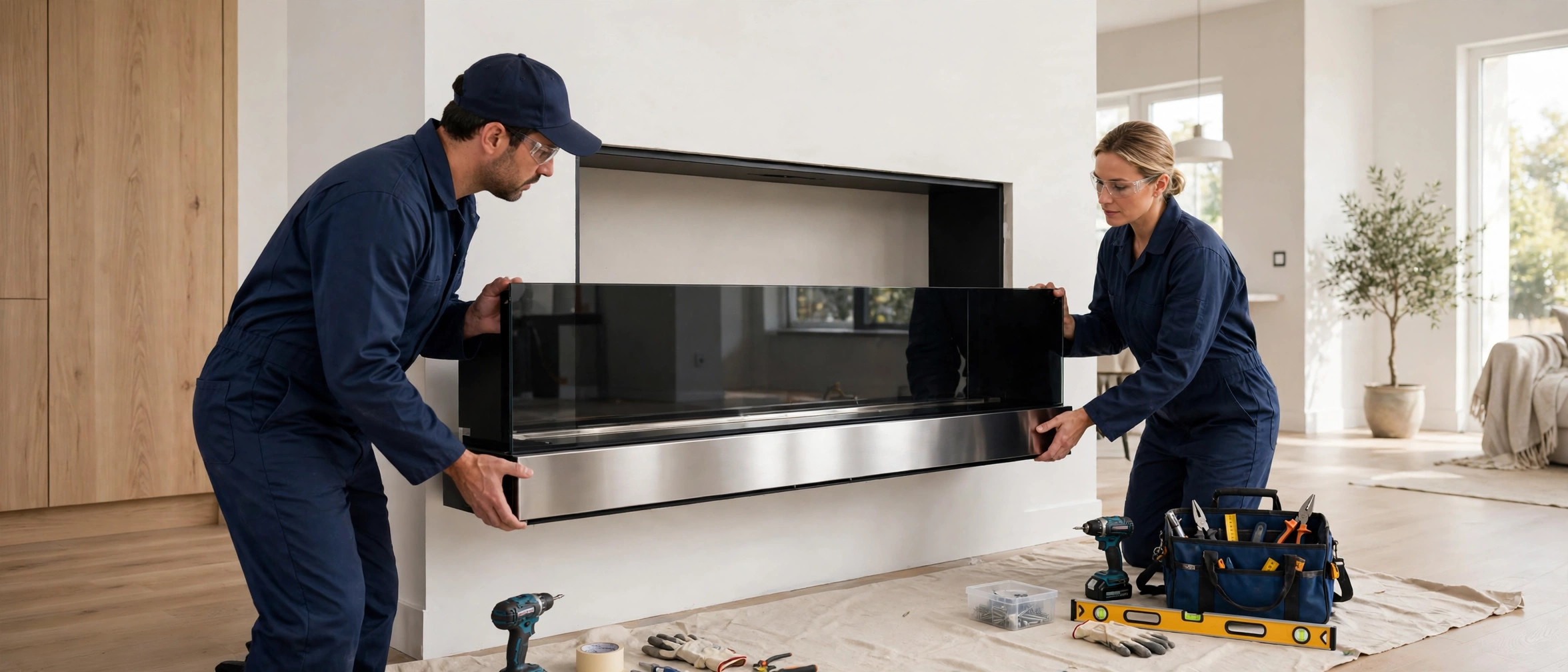
Any fireplace, any failure — diagnosed first, then fixed with the right parts. Smoke stains, a damper that will not seal, creosote-heavy flues and tired blowers — if it burns, vents or ignites, we repair it.
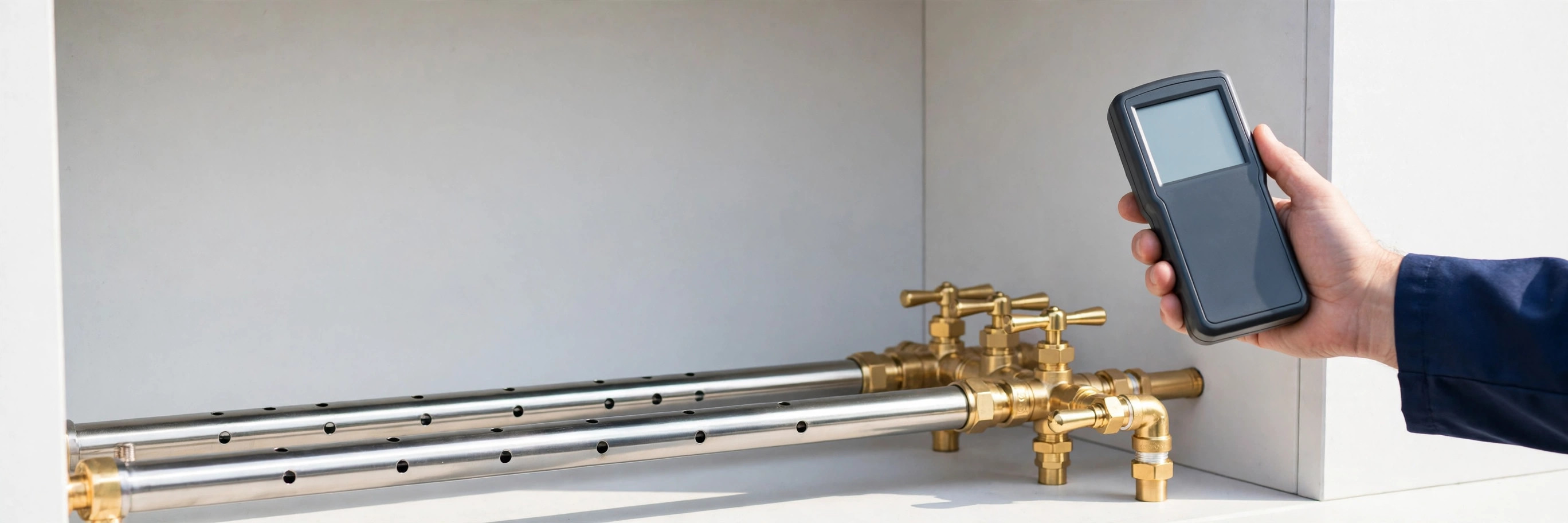
Thermopile, thermocouple, valve or board — we test each one and replace only what failed. Pilot that won't stay lit, dead remote, weak or lazy flame: gas systems diagnosed safely and repaired to code.
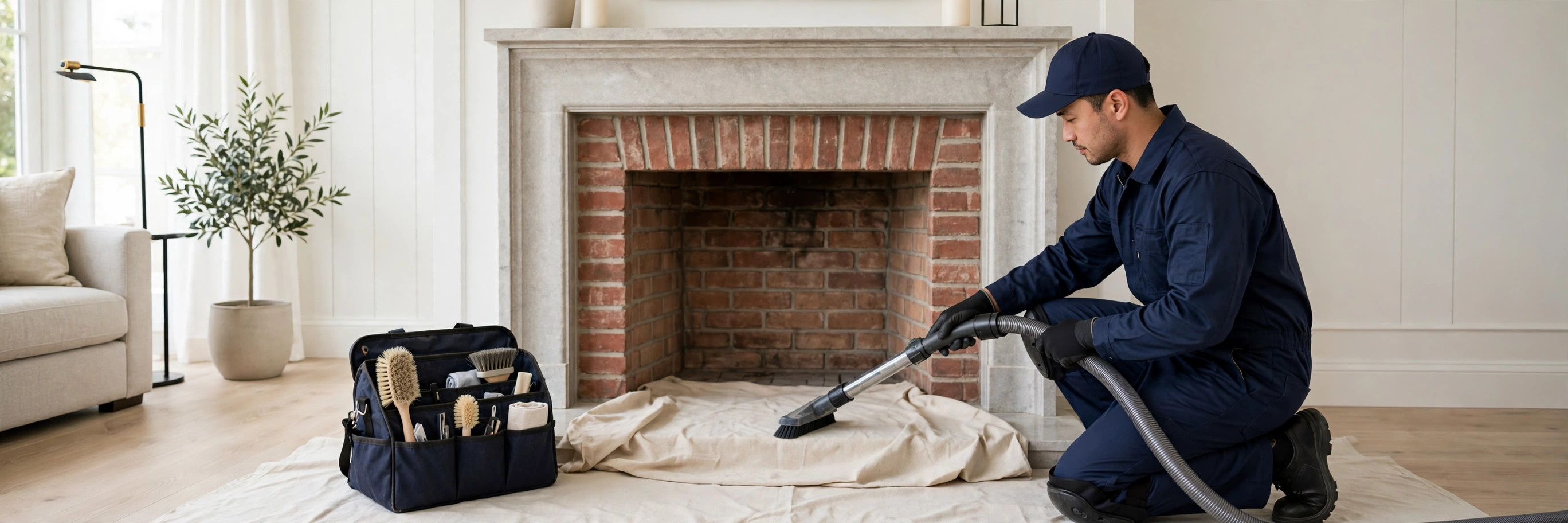
Soot, dust and that stale closed-up smell removed from the firebox, glass and burner — the full creosote removal a wood flue needs after a season of steady burning, or the burner and pilot service a gas unit needs.
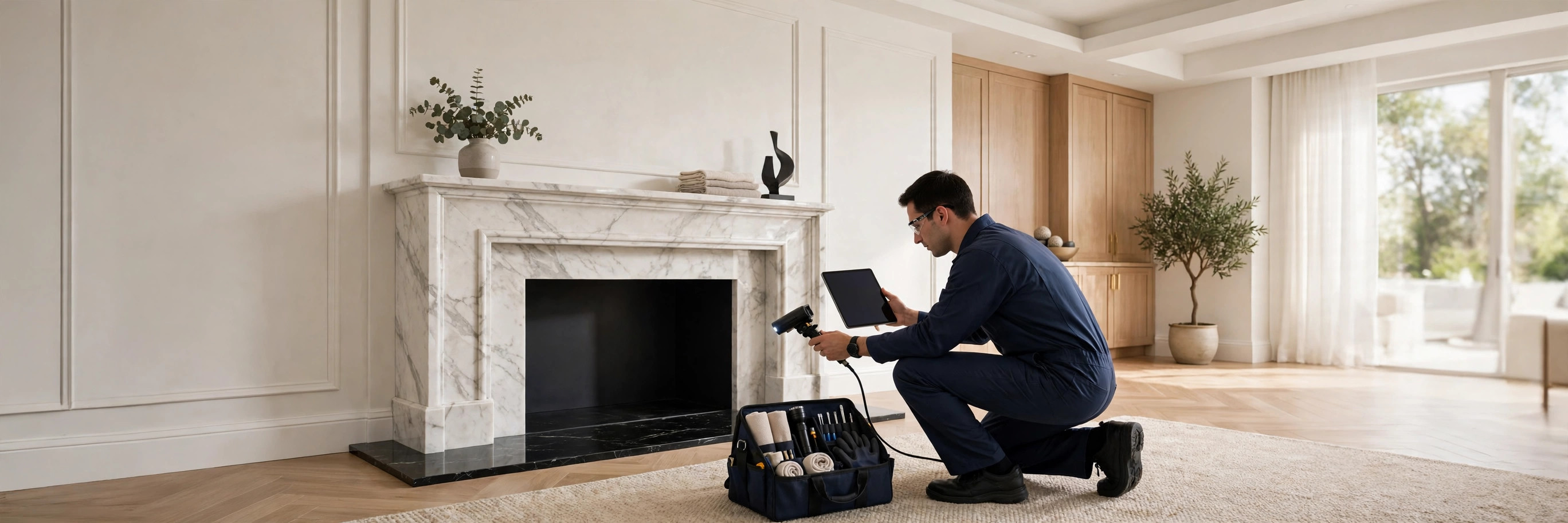
Firebox, flue, venting and controls checked end to end, with a plain-language report. The right call before the first fire in October — or before lighting a fireplace that is new to you.
The annual service that keeps a Hopkins gas fireplace lighting first try: full clean, burner and pilot service, safety sensors tested, and a test fire before we leave.
Need something else — a damper, a blower, a smoke problem, a bird in the flue? We cover all 27 fireplace specialties. Call (888) 257-9181 and describe it.
Local conditions
Hopkins fireplaces have Hopkins problems
A fireplace in Hopkins works from October to April, then sits idle through humid summer months. Freeze and thaw, wood smoke and deep cold do the damage here. This is what we actually find, and what we check on every visit.
A season, not a weekend
From the first fire in October to the last cold night in April, a Hopkins fireplace is not decoration — it is a working appliance for months at a stretch. That much use wears igniters, dries gaskets, and builds creosote steadily, which is why an annual service here is maintenance, not a luxury.
Lake-effect snow belts
Homes in the lake-effect belts — downwind of the Great Lakes in Michigan, Wisconsin, and northern Illinois and Indiana — can get heavy snow while towns an hour away stay clear. Snow buries caps, adds freeze load to masonry, and melts down open flues in a thaw. A sound, screened cap matters more here.
Deep cold finds weak parts
The coldest nights are when a gas fireplace in Minnesota is needed most — and when a weak thermocouple, a tired thermopile, or a pilot orifice narrowed by dust finally gives out. The pilot lights, holds for a minute, then drops. We test each part in order and replace only the one that failed.
Raccoons & birds in the flue
An open flue in the off-season is shelter. Raccoons, birds and squirrels nest in chimneys across Hennepin County in spring and summer, and a nest blocks draft, holds moisture, and can push smoke and carbon monoxide into the room if a fire is lit under it. We clear blockages and fit screened caps.
Hopkins sits in Hennepin County, and the ZIP list at the bottom of this page covers 3 serviceable ZIP codes — 55305 through 55345. The closest served neighbors are Minnetonka, Eden Prairie, St. Louis Park, and every one of them is covered by the same crews, the same day, under the same number: (888) 257-9181.
Cold fireplace? Warm answer.
Same-day service, free estimates, licensed & insured — and a fireplace that lights when you click the remote.
Water soaks into a crown, a mortar joint or porous brick, then freezes and expands, prying the opening wider each time. Over a few Midwest winters that cycle spalls brick faces, splits crowns, and crumbles mortar joints, and the gaps let more water in. Catching it early is a repair; ignoring it becomes a rebuild.
How do I know if my clay tile flue liner is cracked?+
From the room, usually you cannot — cracked tiles are inside the flue, above the firebox. Signs can include smoke smell in upstairs rooms, pieces of tile in the firebox, or a fireplace that drafts poorly after years of good service. An inspection with a flue camera shows the tile condition directly and gives you a plain-language report.
There is scratching in my chimney and birds around the cap — what should I do?+
Do not light a fire. Raccoons and birds nest in open flues through spring and summer in Minnesota, and a nest blocks the draft and holds moisture against the liner. Lighting under a blockage pushes smoke and carbon monoxide into the room. We remove the blockage, check the flue for damage, and fit a screened cap.
My gas fireplace sat idle all summer and now it will not light — why?+
Idle months are the usual cause. Dust settles in the pilot orifice, insects reach the burner ports, and a thermocouple that was already tired gives up while the unit sits through humid summer weather. Most fall no-light calls are one small part or a thorough service — cleaning, pilot and burner checks, and a test fire before we leave.
Snow has buried my chimney cap — should I worry about using the fireplace?+
Be careful. In the lake-effect belts a heavy snowfall can bury a cap or block a vent termination, and a fireplace that cannot vent properly can spill exhaust into the room. If the cap is buried or the fireplace burns oddly after a big snow, leave it off until the cap and vent are checked and cleared.
Do you give prices over the phone?+
No — and be wary of anyone who does. Every fireplace fails differently, so a phone price is a guess that changes at your door. Our estimates are free: a tech looks at the actual problem, then gives you one clear price before any work starts.
Where we work
Hopkins, MN ZIP codes we serve
Fireplace Team is a national company with local technicians serving Hopkins street addresses across the ZIP codes below — same-day service and free estimates, every day 8 AM – 8 PM. More of Minnesota is covered from our Minnesota page. The Hopkins list below covers 3 ZIP codes, 55305 through 55345.
553055534355345
Don't see your ZIP? Hopkins also uses P.O. Box and single-organization ZIP codes that have no street addresses — call (888) 257-9181 and we will confirm coverage for your street address on the call.

 Repair
Fireplace Repair